
What We Choose Not to See: A Look into our Blind Spots


There’s something almost soothing in things we aren’t really aware of. Not the obvious ones, but the subtle ones, the things we just assume, the ways we just are, the systems we just move in as if we were floating in air. Lately, I have been thinking about these blind spots, partly because of a paper I’m working on about international diplomacy and partly because of my work at The Symbiosis Foundation. Both, in their own ways, are concerned with the same thing: What if we finally look at something and really see it for the first time?
Diplomacy is all about reading between the lines, between the spaces of silence and between the gaps in speech. The more I read about it, the more I see it in all kinds of human interaction. Most of the time, we are just working around unseen systems we had no part in creating or thinking about in any meaningful way. Blind spots are not just about lack of knowledge; they are also about lack of emotion. They are about self-protection from things we might find uncomfortable or complicated or just plain hard to acknowledge. Maybe that’s why they linger for so long because on some level, ignorance really is a kind of bliss, a soft buffer between us and the weight of what clearer vision might demand.
This is why my work at The Symbiosis Foundation feels so connected to all of this. So much of what we do is to help people see these unseen forces at work in their relationships, their work, their lives. We listen for what is unsaid, for the edges of issues that haven’t been named, for ways to help people name things they have been sensing but haven’t been able to quite grasp or define. It’s slow work, careful work, the kind of work that builds trust by simply showing up.
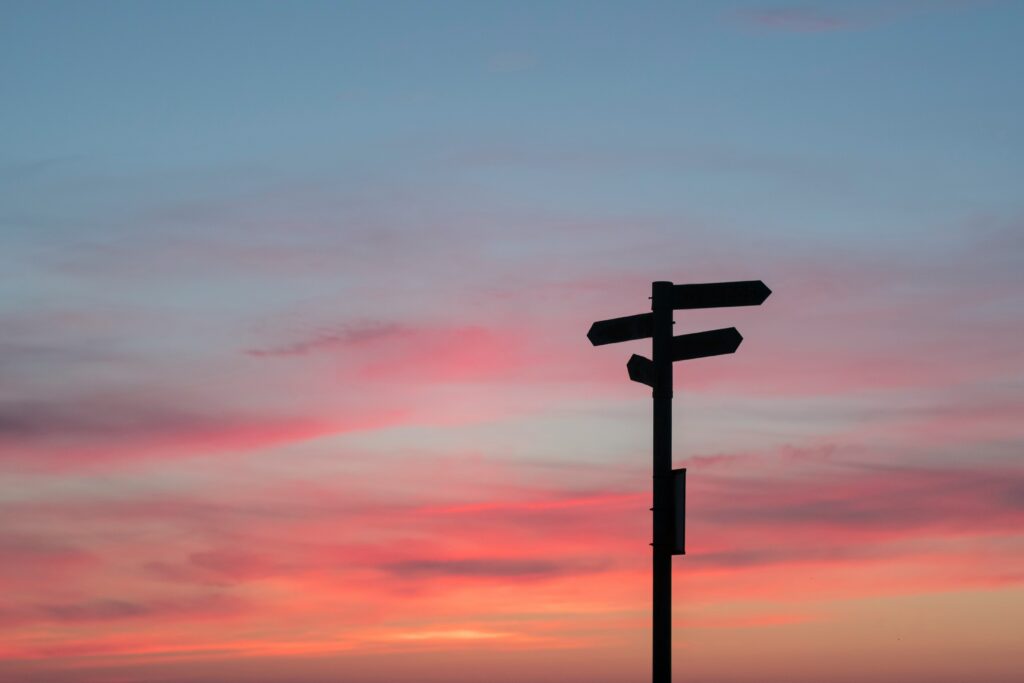
The real work begins after recognition has taken place. For after something hidden is seen, people need guidance in making sense of it, in figuring out what it means, what to do with it, and how to proceed without losing steam or losing their way. We are no longer just helping them see the invisible; we are helping them navigate it. Sometimes, this is about helping them understand the stakes, which may be overwhelming; other times, it is about helping them understand their concern in a way that feels doable, not debilitating; and other times, it is simply being with them in uncertainty until clarity is found.
The context may vary but ultimately the process is the same: helping individuals turn recognition into direction, not confusion. Blind spots aren’t shortcomings; they’re openings, small cracks where light can finally get in. And the act of noticing, truly noticing, is the first step toward illuminating what we’ve been moving through in the dark.



Responses