
Lessons from the Tournament Floor

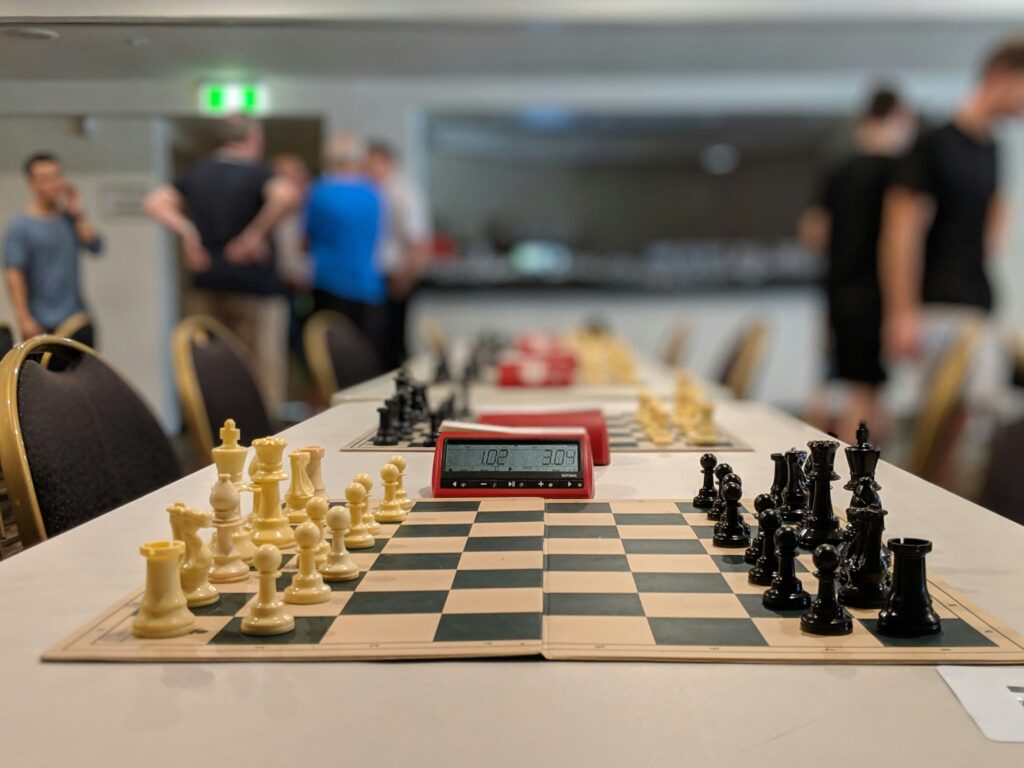
One of the best ways to study human behavior under stress conditions is through running a chess tournament. A room full of players calculating in silence teaches you more about coordination, expectations, and human volatility than any textbook. The instincts which it takes to run a tournament has become my constant nonprofit work tools alongside my daily life.
All aspects of tournament operations become my duty to manage when I oversee the tournament. Boards, clocks, pairings, late arrivals as each one is a potential failure point, and I’m the one holding the system together. The tournament forced me to learn logistics because I needed to accomplish what the space demanded. The same skill manifests in nonprofit work where leaders manage volunteers, adjust project timelines, and handle resource restrictions. The two settings benefit from people who can foresee upcoming problems while they maintain progress during periods of system instability.
The process of conflict mediation begins as the hidden element that nobody prepares you to face. Chess players begin the game with a calm attitude until they reach their breaking point. I had to resolve touch‑move arguments, timing disputes, and a situation where a player claimed the opponent timed out, one second after the other player contested that the claimant timed out prior to them. I developed the skills to de-escalate conflicts while remaining neutral, interpreting rules, and maintaining peace in the room. Nonprofit work mirrors this almost perfectly: partners with competing priorities, community members with different expectations, funders shifting demands mid‑project. Changing situations require different skills, but the same abilities remain applicable. I have developed the ability to maintain room stability.
The field of pattern recognition has developed into my hidden superpower which I unknowingly trained throughout my work. I developed the ability to identify the constant late person who would arrive at the event because I had seen them arrive at enough tournaments. The project experiences its first problems, while the partnership requires special attention, and the funder will change their priorities. The early identification of these patterns helps to maintain work activities on their planned path.
The impact of chess tournaments on my life turned out to be larger than I predicted. The chaotic spaces which contained multiple clocks, intense situations, and minor emergencies taught me the same abilities which now empower me to handle nonprofit operations. I learned to anticipate, mediate, read the room, and those lessons have followed me far beyond the tournament floor.


Thank you Marcin, great contribution as always! You have inspiring and interesting stories.