
From Study Abroad to Real‑World Impact


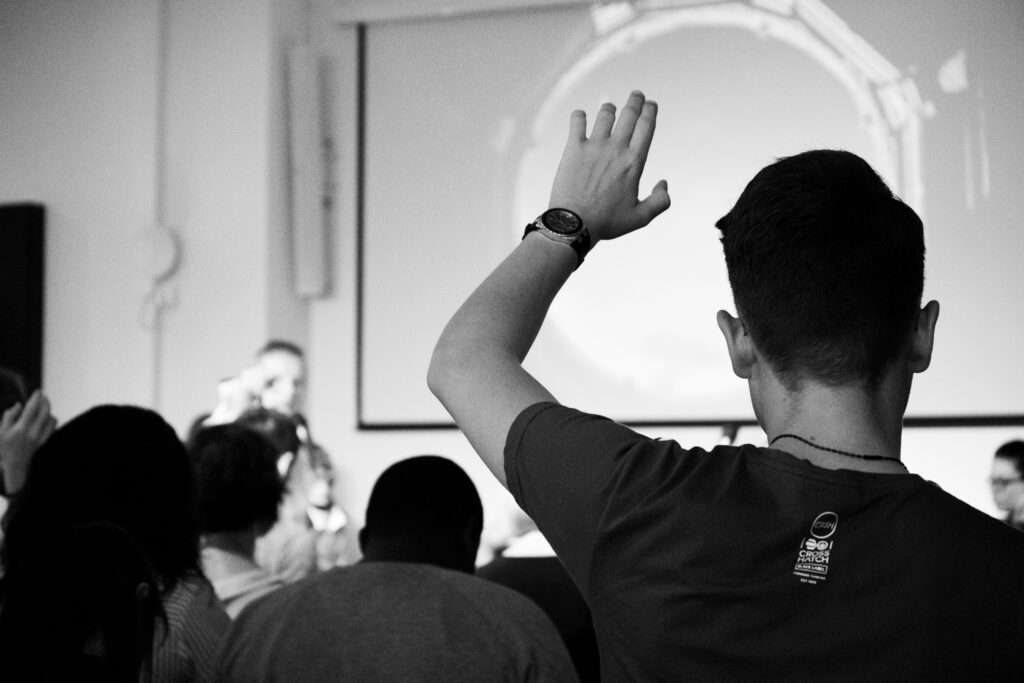
Last week, I participated in a panel discussion on study abroad programs, where we discussed the value of these programs and it was not just the traveling, but the growth one can get from being put into new environments, cultures, and methods of communication. What came up again and again in the discussion was the familiar thread of adaptability, cultural intelligence, and the ability to build relationships across differences. But then, midway through the discussion, The Symbiosis Foundation came into the picture.
It was all so fitting because study abroad programs teach you how to navigate unfamiliar systems, understand subtle cues, and communicate with intention, all the skills we utilize at The Symbiosis Foundation. Whether we’re reaching out to partner organizations, communicating across international teams, or crafting messaging to resonate with diverse audiences, the challenge we face is the same one we face every day: how do we build trust across differences?
This is the part of study abroad programs people don’t always talk about. Sure, you get to know another country, but more than that, you get to know how to listen, how to adapt, and how to communicate in a way that makes collaboration possible. These are the skills we utilize every day at The Symbiosis Foundation, the skills we see in the emails we write to open doors, the conversations we have to align stakeholders, the partnerships we build because we took the time to understand the other side’s perspective. These are the skills we see in our work with students from the Netherlands, Kenya, the Philippines, Poland, Germany, and Italy, each with their unique style of communication, their unique set of expectations, their unique cultural context.
What the panel discussion reminded me is that study abroad programs are not just academic programs, but the training one receives to do the relational, cross-cultural work we do every day at The Symbiosis Foundation, the work we know is critical to the nonprofit sector, the work we know is critical to the missions we serve. And it is exactly this which makes The Symbiosis Foundation such a meaningful workplace. For here, these skills will no longer seem so intangible, so theoretical. They will start to seem like actual tools for actual change, tools for building bridges, for reinforcing communities, for creating new possibilities in a new kind of globalization.
Studying abroad expands your horizons. Symbiosis offers a workplace where you can apply and expand those horizons.




Responses